


How do heat pumps work in buildings
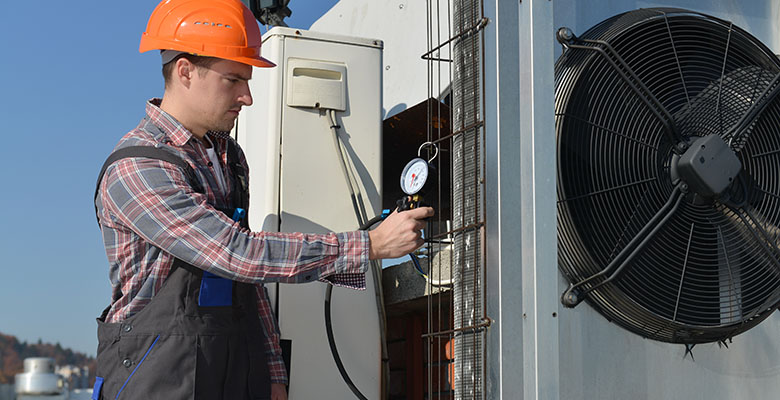
Heat pumps represent one of the most efficient and versatile heating and cooling technologies available for modern buildings, utilizing the principles of refrigeration to transfer heat rather than generate it through combustion or electrical resistance. Understanding how these systems operate helps building owners and facility managers make informed decisions about installation, operation, and maintenance requirements that maximize both energy efficiency and occupant comfort throughout the year. While heat pumps are generally reliable systems, knowing their operational principles helps identify when professional heat pump repair services become necessary to maintain optimal performance and prevent costly breakdowns. The technology works by moving thermal energy from one location to another using refrigerant, compressors, and heat exchangers that can provide both heating and cooling functions depending on seasonal requirements and building needs.
Basic heat pump principles
Heat pumps operate on the fundamental principle that heat naturally flows from warmer areas to cooler areas, but mechanical systems can reverse this process by using energy to move heat against its natural direction. The refrigeration cycle forms the foundation of heat pump operation, involving four main components that work together to transfer thermal energy efficiently between indoor and outdoor environments. Refrigerant fluid circulates through the system, changing between liquid and gas states as it absorbs and releases heat energy at different locations within the cycle.
The process relies on the physical properties of refrigerant that allow it to evaporate at low temperatures and condense at higher temperatures when pressure changes are applied through mechanical compression. This enables heat pumps to extract thermal energy from outdoor air, ground, or water sources even when those sources feel cold to human perception, then concentrate and deliver that energy indoors at useful temperature levels. The efficiency of this process makes heat pumps capable of delivering more heating energy than the electrical energy they consume, achieving efficiency ratings significantly higher than traditional heating methods like electric resistance or fossil fuel combustion.
Heating mode operation
During heating mode operation, the heat pump extracts thermal energy from the outdoor environment and transfers it indoors to warm the building spaces and maintain comfortable temperature levels. The outdoor unit contains an evaporator coil where liquid refrigerant absorbs heat from outside air, causing the refrigerant to evaporate into a gas state. Even when outdoor temperatures feel cold, air contains substantial thermal energy that can be extracted and concentrated through the refrigeration process to provide meaningful heating capacity.
The compressor increases the pressure and temperature of the refrigerant gas, concentrating the absorbed thermal energy and preparing it for indoor heat delivery. Inside the building, the condenser coil releases this concentrated thermal energy to the indoor air through heat exchangers, while the refrigerant condenses back to liquid form. An expansion valve reduces the pressure of the liquid refrigerant before it returns to the outdoor evaporator coil, completing the cycle that continuously moves heat from outside to inside throughout the heating season.
Cooling mode operation
Heat pump cooling operation essentially reverses the heating process, extracting thermal energy from indoor spaces and rejecting it to the outdoor environment to maintain comfortable indoor temperatures during warm weather periods. A reversing valve changes the direction of refrigerant flow, making the indoor coil function as an evaporator that absorbs heat from building air while the outdoor coil becomes a condenser that releases heat to the outside atmosphere. This dual functionality eliminates the need for separate heating and cooling systems in many building applications.
During cooling mode, the indoor evaporator coil removes both sensible heat that affects air temperature and latent heat associated with humidity removal that improves comfort levels beyond simple temperature control. The refrigerant absorbs thermal energy from indoor air, evaporates into gas form, and travels to the outdoor condenser where it releases heat to the outside environment before condensing back to liquid. This process continues continuously during cooling operation, maintaining desired indoor temperatures while rejecting unwanted heat to outdoor spaces.
Types of heat pump systems
Air-source heat pumps represent the most common heat pump type, extracting thermal energy from outdoor air and transferring it to indoor spaces through refrigerant circulation systems that can operate effectively in most climate conditions. These systems work well in moderate climates but may require backup heating during extremely cold weather when outdoor air temperatures drop below the heat pump’s effective operating range. Modern air-source heat pumps include advanced features like variable-speed compressors and improved refrigerants that extend their effective operating range and improve efficiency across various weather conditions.
Ground-source or geothermal heat pumps utilize the relatively stable temperatures found below ground surface to provide consistent heating and cooling performance regardless of outdoor air temperature fluctuations. These systems require underground loop installations that circulate water or refrigerant through buried pipes, exchanging thermal energy with the earth that maintains more consistent temperatures year-round. While geothermal systems typically cost more to install, they provide superior efficiency and reliability compared to air-source systems, especially in climates with extreme temperature variations.
Components and system operation
The compressor serves as the heart of any heat pump system, providing the mechanical energy necessary to circulate refrigerant and maintain the pressure differences that enable heat transfer between indoor and outdoor environments. Heat pump repair services Port Jefferson frequently address compressor issues since this component works continuously during operation and experiences significant mechanical stress from pressure changes and temperature variations throughout the refrigeration cycle. Proper compressor maintenance and timely repairs prevent system failures that can leave buildings without heating or cooling when needed most.
Heat exchangers in both indoor and outdoor units facilitate thermal energy transfer between refrigerant and air or water that carries heat to or from building spaces. These components require regular cleaning and maintenance to maintain optimal heat transfer efficiency and prevent restricted airflow that reduces system performance. Refrigerant lines connect all system components and must maintain proper pressure levels and leak-free operation to ensure efficient system function and prevent environmental refrigerant release that damages both system performance and atmospheric conditions.
Efficiency and performance benefits
Heat pump efficiency is measured by coefficient of performance ratings that compare heating or cooling output to electrical energy input, with modern systems achieving ratios of three to five units of thermal energy delivered per unit of electrical energy consumed. This efficiency advantage becomes more pronounced as outdoor temperatures remain moderate, though newer heat pump technologies extend high-efficiency operation into more extreme temperature ranges. The ability to provide both heating and cooling from a single system reduces installation costs and maintenance requirements compared to separate heating and cooling equipment installations.
Variable-speed and multi-stage heat pumps adjust their capacity to match building loads more precisely, reducing energy consumption during partial load conditions that occur during most operating hours. These advanced controls maintain more consistent indoor temperatures while reducing the cycling on and off that can reduce equipment lifespan and occupant comfort levels. Integration with smart building controls and programmable thermostats further optimizes heat pump operation by adjusting output based on occupancy patterns and weather forecasts that anticipate changing thermal loads.
Installation and maintenance considerations
Proper heat pump installation requires careful attention to refrigerant line sizing, electrical connections, and airflow requirements that affect both system performance and longevity throughout the equipment’s operational life. Inadequate installation can lead to reduced efficiency, premature component failure, and indoor comfort problems that require expensive corrections after initial installation. Professional installation ensures proper refrigerant charging, electrical connections, and system commissioning that validates correct operation before the system enters regular service.
Regular maintenance prevents many common heat pump problems and extends equipment life while maintaining peak efficiency throughout the system’s operational period. Filter changes, coil cleaning, refrigerant level checks, and electrical connection inspections should be performed according to manufacturer recommendations and local climate conditions that affect system stress levels. Preventive maintenance programs help identify potential problems before they cause system failures that require emergency repairs during critical heating or cooling periods when service demands are highest.
Conclusion
Understanding how heat pumps work in buildings helps facility managers and building owners make informed decisions about system selection, operation, and maintenance that maximize both energy efficiency and occupant comfort throughout the equipment’s service life. While these systems are generally reliable, their mechanical complexity requires professional expertise for installation, maintenance, and repairs that ensure optimal performance over many years of operation. When problems do arise, working with qualified heating service repair Huntington professionals ensures that issues are diagnosed accurately and resolved with appropriate parts and techniques that restore reliable operation while maintaining the efficiency and performance characteristics that make heat pumps an attractive choice for modern building applications.